Types of Toilet Seats: Differences Between Versagrit®, Duroplast, plastic and wood

• When choosing a toilet seat, the material makes all the difference in terms of strength, durability, hygiene, and aesthetics. In this article, we compare Versagrit®, Duroplast, plastic, and wooden toilet seats to better understand their main advantages and limitations, helping you identify which type of toilet seat best suits each need and usage environment.

When choosing a toilet seat, the material it is made from is one of the key factors that influences durability, comfort, hygiene, and the overall appearance of the product. Although many toilet seats may look similar at first glance, there are important differences between the most commonly used materials on the market: Versagrit®, Duroplast, conventional plastic and wood or MDF.

In this article, we analyze their characteristics to help you understand what sets each one apart and in which situations each option is most recommended.

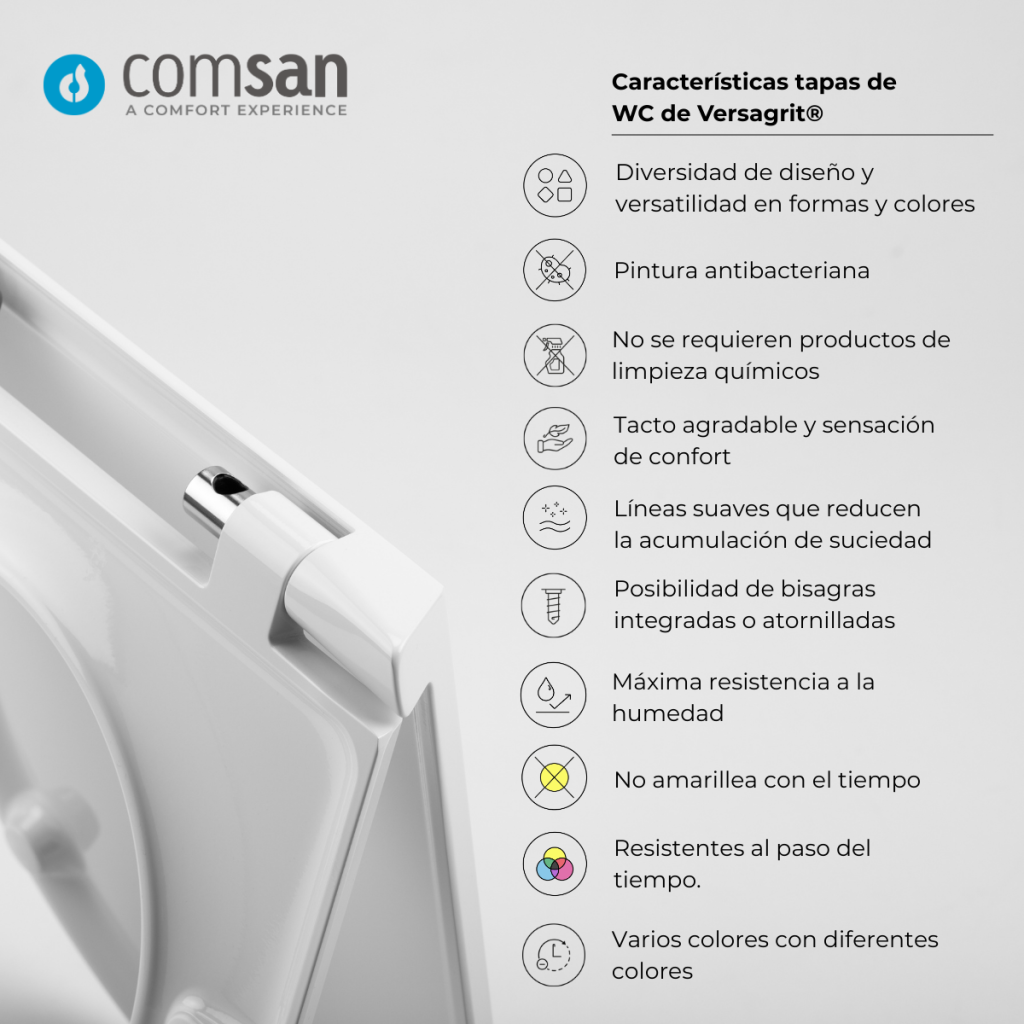
Tapas de WC de Versagrit®

Versagrit® Toilet Seats

Versagrit® is a high-performance thermoset material specifically developed for technical applications where strength, stability, and a premium finish are required. It is our own proprietary formula—unique and exclusive in the market—which we have been using to manufacture toilet seats for more than 60 years.

Versagrit® toilet seats are made from 100% natural raw materials, and 60% of the material comes from 100% plant-based, organic, recycled, and residual sources. This choice not only guarantees the quality of our products, but also promotes efficient natural resource management, contributing to a positive environmental impact.

Main Features of Versagrit® Toilet Seats:

  • High resistance to impact and scratches
  • Highly stable and long-lasting surface
  • Does not yellow or lose color over time
  • Excellent resistance to cleaning products
  • Premium aesthetic finish, with different color and texture options
  • Solid feel similar to mineral-based materials


Advantages of Versagrit® Toilet Seats:

Toilet seats made from Versagrit® stand out for their premium design, durability, and high-end appearance. They are especially suitable for environments where the perfect balance between aesthetics, quality, and long service life is required.

In Summary:

This is a medium-high to high-end option, designed for those looking for a robust, long-lasting product with a more sophisticated finish.

Duroplast Toilet Seats

Duroplast, also known as Urea, is one of the most widely used materials in the sanitary industry. It is a thermoset resin that, once molded, provides a rigid and durable structure.

Main Features of Duroplast Toilet Seats:

  • High surface hardness
  • Resistant to scratches and wear
  • Good stability against household cleaning chemicals
  • Does not deform with normal use
  • Smooth and easy-to-clean finish
  • Color fading and visible wear may appear over the years


Advantages of Duroplast Toilet Seats:

Duroplast offers an excellent balance between quality and price. It is a very common material because it combines strength, hygiene, and cost efficiency.

In Summary:

It is a reliable and well-balanced solution, ideal for both residential and contract installations where durability is required without a high cost.

Plastic (PP) Toilet Seats

Conventional plastic, usually polypropylene, is commonly used for basic or budget-range toilet seats.

Main Features of plastic Toilet Seats:

  • Lightweight material
  • Lower manufacturing cost
  • Easy large-scale production
  • Moderate resistance to daily use
  • More prone to scratches and loss of shine and color over time

Advantages of Polypropylene Toilet Seats:

Its main advantage is affordability and lightness, making it a very accessible option.

In Summary:

It is a functional alternative for projects where budget is the main priority, although it offers a shorter lifespan and faster wear.

MDF or Wooden Toilet Seats

Toilet seats made from MDF or natural wood have traditionally been a popular option in certain bathroom styles, especially when a warmer or more decorative finish is desired.

In most cases, MDF is used as a base and coated with layers of paint, lacquer, or plastic materials to improve moisture resistance.

Main Features of MDF or Wooden Toilet Seats:

  • Decorative aesthetic finish
  • More “homely” or traditional feel
  • Lower moisture resistance compared to plastic or thermoset materials. It may warp or deteriorate if the coating is damaged or exposed to water continuously
  • Heavier than other materials


Advantages of MDF or Wooden Toilet Seats:

MDF and wooden toilet seats stand out mainly for their aesthetics, as they integrate very well into bathrooms with classic, rustic, or decorative designs. They provide a warmer visual appearance compared to technical or plastic materials.

In Summary:

This option is mainly focused on design and aesthetics, suitable for moderately used bathrooms where appearance is prioritized over extreme resistance or long-term durability in highly humid environments.

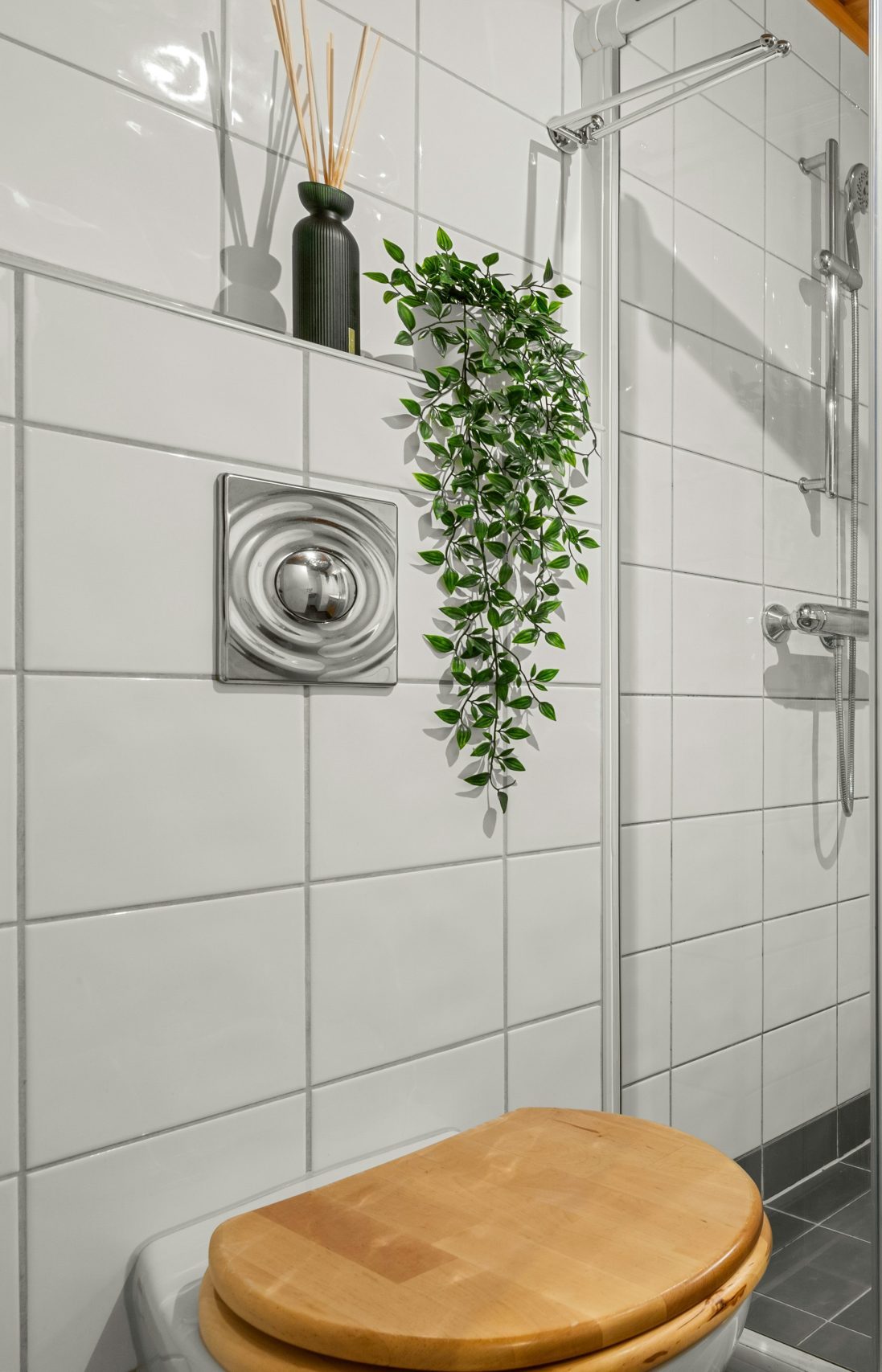
Tapas de WC de madera

Toilet Seat Comparison

Natural product (natural raw materials)
Non yellowing
Smooth line design, without accumulation of dirt and bacteria
Does not require cleaning products
A wide range of highly durable and unalterable colors over time
Maximum moisture resistance
Antibacterial
Prolonged durability
Versagrit®
Duroplast

Optional

Plastic (PP)
Wood or MDF

Optional