How to Clean a Toilet Seat

• Although it may seem like a simple task, following a few easy steps can help keep a toilet seat looking as good as new and in perfect condition.

One of the most important parts of any bathroom is the toilet seat. While cleaning it might appear straightforward, proper disinfection not only helps reduce bacteria but also extends the product’s lifespan. Did you know that cleaning our Versagrit® toilet seats doesn’t require chemical or abrasive cleaning products? Below, we explain the steps for proper cleaning and maintenance to keep your toilet seat looking new and in excellent condition over time.

Take off or easy clean

First, check if your toilet seat has a quick-release system, also known as Take Off or Easy Clean. This feature, typically consisting of a button near the hinges, allows you to detach the seat from the porcelain with a single click, making cleaning much easier and ensuring you can reach all corners.

1. Cleaning Products Needed for a Toilet Seat

Despite common beliefs about disinfection, it is unnecessary to use abrasive cleaning products containing chlorine or acid, such as bleach. Similarly, rough or abrasive cleaning tools that could damage the seat’s surface finish should also be avoided.

Instead, opt for mild soaps and natural detergents for thorough cleaning. Alternatively, specific bathroom cleaners or white vinegar can be used as a natural option. A dry cloth or a soft cleaning cloth is recommended for the cleaning process.

Product cleaning hard
Product cleaning neutral

2. How to Disinfect a Toilet Seat

First, spray all the surfaces to be disinfected, paying special attention to areas with frequent contact and the hinges, where dirt tends to accumulate the most. Allow the mild soap or detergent to sit for a few moments to enhance its disinfecting power.

While the product is working or cleaning agents are present in the toilet bowl, keep the seat open and do not close the lid. Once the recommended time has passed, flush the toilet before closing the seat. This prevents the surface from being damaged by exposure to gases released from cleaning products.

how to clean a seat and cover
Limpieza tapa de WC

3. How to Remove Disinfectant from the Toilet Seat

After allowing sufficient time for the disinfectant to work, use a soft cloth or non-abrasive sponge to clean the seat using circular motions, which helps prevent scratching. For best results, dampen the cloth with warm water to loosen dirt without damaging the material.

4. How to Dry a Toilet Seat

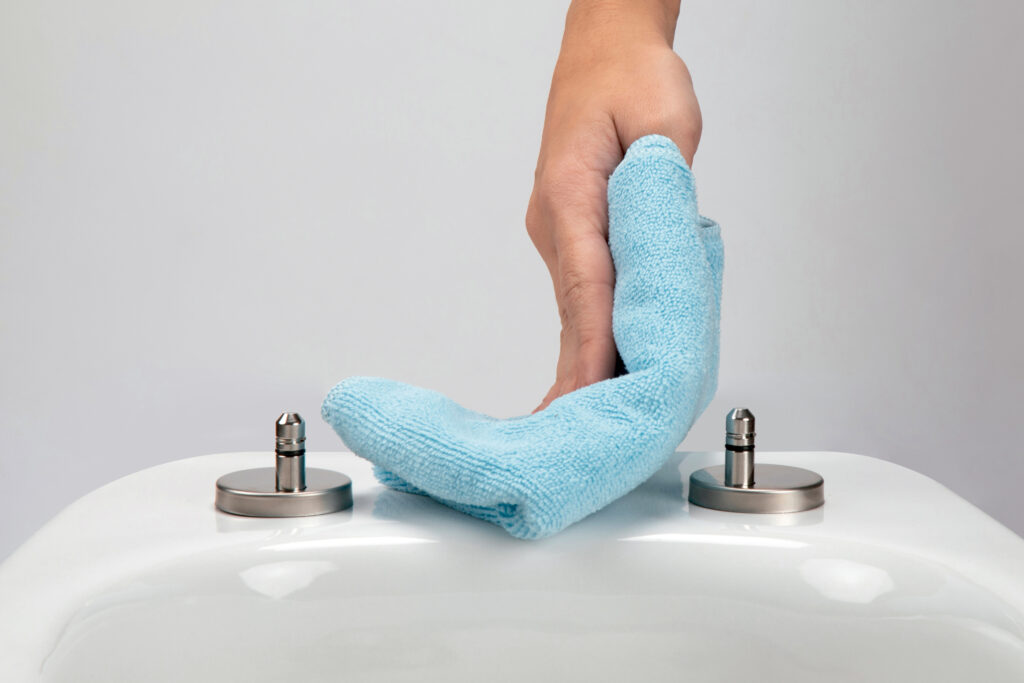
Once the surface is clean and disinfected, it is important to dry it thoroughly. Use a dry cloth or a soft cleaning cloth to remove any excess moisture, preventing water spots and protecting the material from deterioration over time.

5. Cleaning the Hinges

Do not overlook the hinges, as they tend to accumulate bacteria due to their many crevices. Carefully remove any dirt or soap residue using a damp cloth and mild detergent. Ensure the hinges are completely dry to prevent rust formation over time.

6. Tips for Maintaining a Toilet Seat
In addition to proper cleaning, regular maintenance is essential to keep a toilet seat in optimal condition over time.

  • Regularly check the hinges: Ensure they are always tight and free of rust. If the seat moves excessively or shows signs of corrosion, it may be time to replace the hinges.
  • Avoid standing on the toilet seat, placing heavy objects on it, or hitting it with sharp items, as this could cause the surface to deform.
  • For SlowClose hinges, do not force the seat closed. Gently guide it and allow it to close freely. For standard or free-fall closures, also guide the seat gently to prevent a hard impact between the lid and the seat ring.

By following these simple steps, you can keep your toilet seat clean, disinfected, and in excellent condition for years to come.