Versagrit®: Toilet Seats with a Lower Carbon Footprint
• Versagrit® stands out from other products on the market in terms of carbon footprint, recycled content and waste generation
What is the environmental impact of a material used to manufacture toilet seats? To answer this question, it is not enough to know where its raw materials come from. We also need to assess its carbon footprint, recycled and biogenic content, resource consumption during manufacturing, and reference service life.
At COMSAN, we have been designing and manufacturing toilet seats for over 60 years. Over this time, we have developed Versagrit®, an exclusive material based on our own proprietary formulation that combines strength, design versatility and a resource-efficient approach.
But what do the environmental data tell us about Versagrit® compared with other products on the market?
Carbon footprint: 1.20 kg CO₂e per kilogram of material
The carbon footprint is one of the indicators used to assess a material’s impact on the climate. It is expressed in kilograms of carbon dioxide equivalent (kg CO₂e) and quantifies the greenhouse gas emissions associated with the life cycle stages covered by the assessment.
According to the environmental comparison used, Versagrit® has a carbon footprint of 1.20 kg CO₂e per kilogram of material, compared with values ranging from 1.71 to 3.27 kg CO₂e/kg for the other products assessed.
Based on these figures, Versagrit® has a carbon footprint per kilogram of material that is approximately 30% to 63% lower than that of the products included in the comparison.
Recycled content: a commitment to the circular economy

The circular economy aims to reduce the consumption of virgin raw materials, minimise waste and keep resources in use for as long as possible.
In this context, recycled content is a relevant indicator of the proportion of recovered materials incorporated into a product.
The environmental comparison reports 55.2% recycled content for Versagrit®, compared with 3% and 4% for two other products assessed.
This approach is complemented by the measures we implement at COMSAN to make better use of resources during manufacturing. We reuse 100% of Versagrit® production offcuts, reintroducing them into the manufacturing process whenever technically feasible.
In this way, we work to reduce material waste and move towards a more circular production model.
Biogenic content: plant-based and organic raw materials
Biogenic content refers to the fraction of carbon derived from biological sources, such as plant biomass. It helps us understand the origin of some of the resources incorporated into a material.
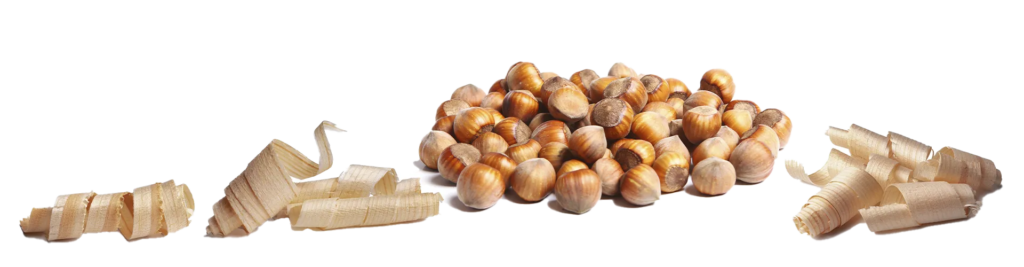
Versagrit® incorporates plant-based raw materials and organic by-products, including wood flour and nut shells. These resources are part of the proprietary formulation that sets our material apart.
According to the environmental comparison, Versagrit® has 55.2% biogenic content, while the products from other manufacturers included in the analysis show values ranging from 22.8% to 44%.
Incorporating these raw materials makes it possible to use biologically derived resources in an industrial application, helping diversify the sources of materials used to manufacture toilet seats.
It is important to distinguish between biogenic content and recycled content. Although both indicators provide information about a material’s composition, they describe different characteristics and should not be treated as equivalent.
Water consumption: assessing the resources used in manufacturing
Water consumption is another important indicator when analysing the environmental impact of industrial processes. Assessing it helps identify opportunities for improvement and understand the resource requirements associated with manufacturing.
The water consumption attributed to Versagrit® is 0.112 m³. The values reported for the other products assessed range from 0.032 to 0.195 m³.
Therefore, Versagrit® has lower water consumption than some of the products in the comparison, although it does not have the lowest value across the entire sample.
This result should be considered alongside the other environmental indicators. Carbon footprint, raw material composition, water consumption and waste generation provide complementary perspectives for assessing a material’s environmental performance.
Waste generation: making better use of resources
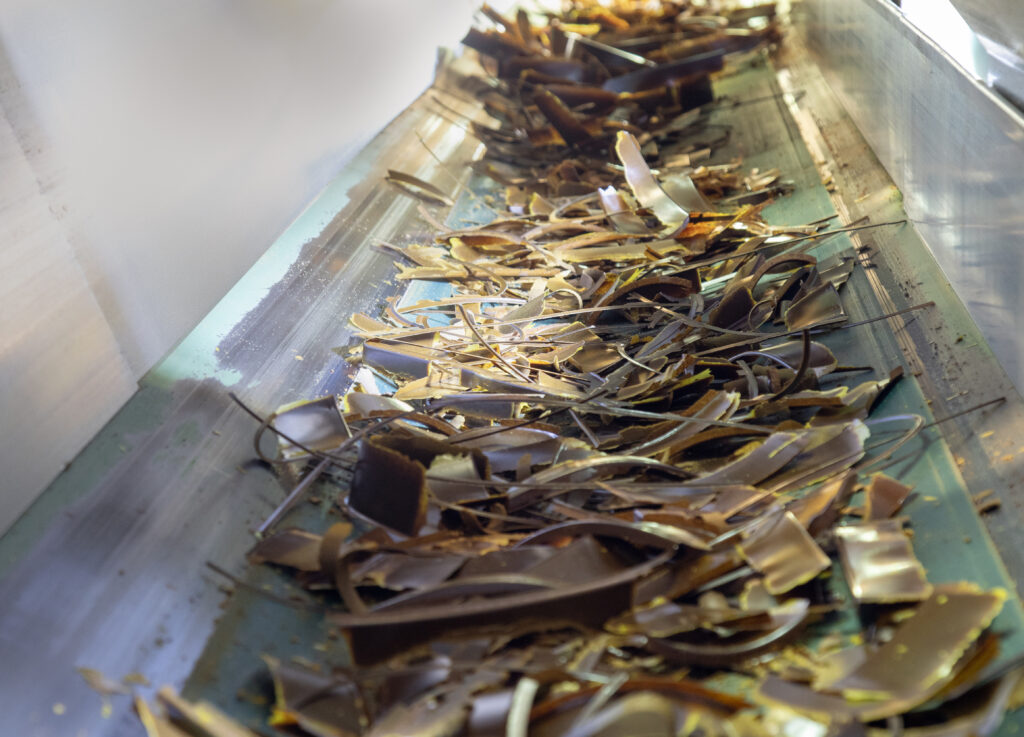
Waste reduction is one of the key challenges facing the manufacturing industry. Making better use of raw materials and recovering production offcuts are measures that can help reduce waste.
In the comparison analysed, the waste generation value associated with Versagrit® is 0.792 kg, while the products from other manufacturers range from virtually zero to 2.48 kg.
Beyond assessing these results, at COMSAN we work to make use of the offcuts generated during production and reintroduce them into manufacturing whenever technically feasible.
Resource management is therefore an integral part of both material design and the continuous improvement of our processes.
Reference service life: 20 years
A product’s environmental impact should not be assessed solely on the basis of its manufacturing process. Durability also matters, as replacement frequency can influence material consumption and the impacts associated with producing new units.
In the comparison, Versagrit® has a reference service life of 20 years, compared with values ranging from 7 to 15 years for the other products assessed.
This difference may be relevant when evaluating product performance over the long term. A longer service life can reduce the need for replacement over a given period, provided that actual conditions of use are comparable.
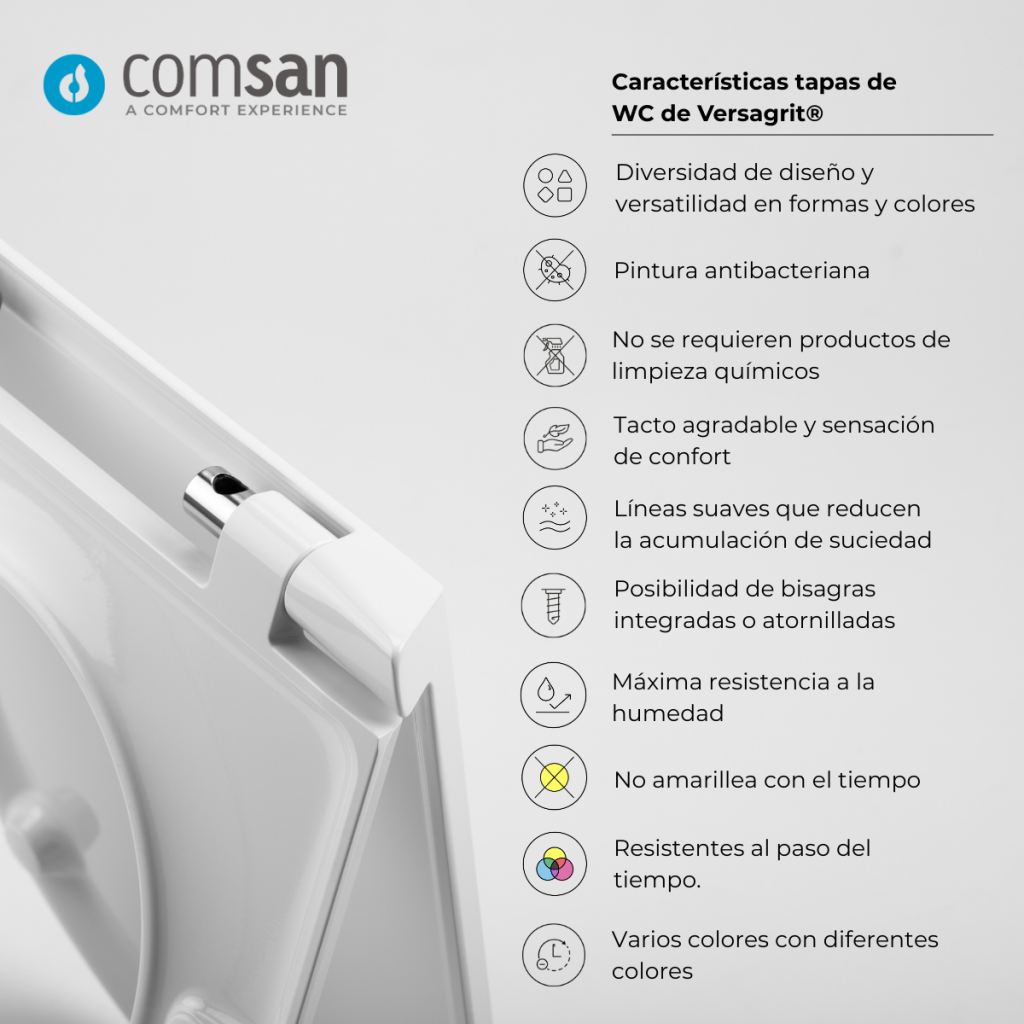
Durability is also a key technical feature of toilet seats manufactured with Versagrit®. The material offers resistance to impact, scratches, moisture and common cleaning products, as well as resistance to ultraviolet (UV) exposure.
These properties help us develop toilet seats designed to maintain their performance throughout everyday bathroom use.